Attracting Honey Bees
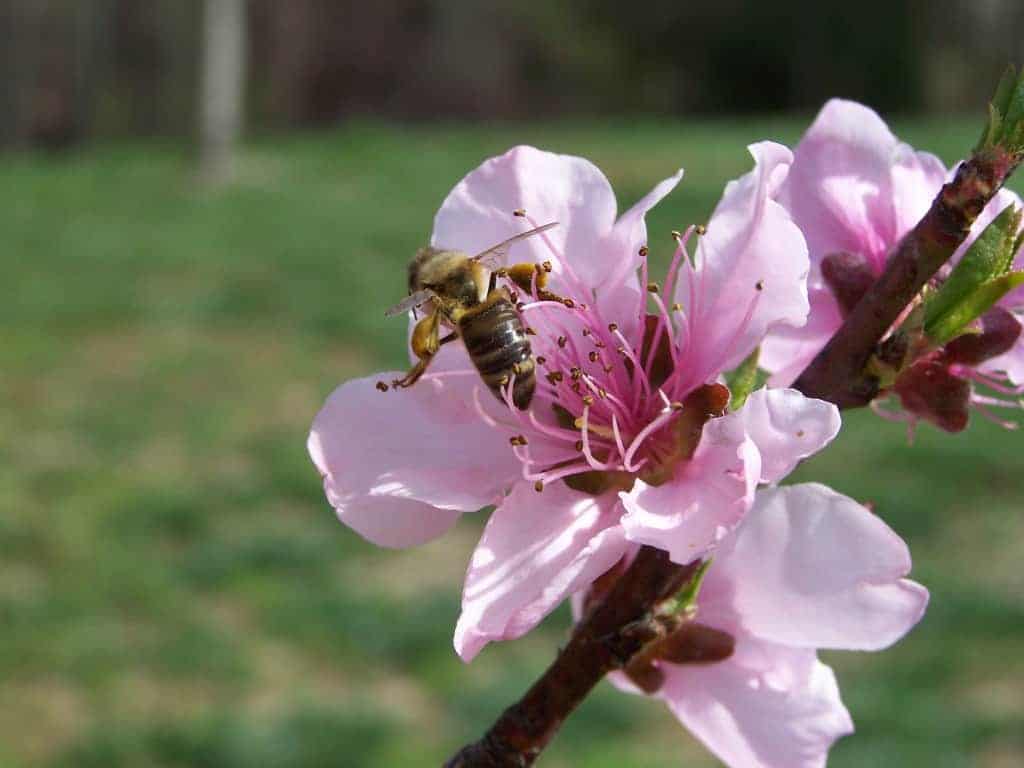
Honey bees will travel as far as they need to for nectar and pollen. All of us can create an environment that will encourage honey bees to visit, no matter how small the flower garden.
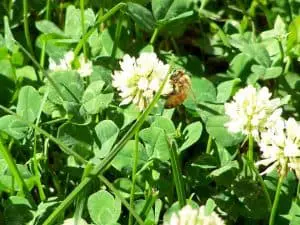
One example of a flower that honey bees will forage to is the White Dutch Clover, which will grow on most neighborhood lawns. This small plant is a vital lifeline for local colonies.
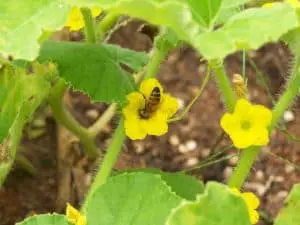
Also, squash plants in the garden are a feast for honey bees. Their large, nectar-heavy blooms are an irresistible draw for foragers throughout the morning.
A Warning on Pesticides
Honey bees are highly susceptible to toxins. When pesticides are applied to blooming flowers or lawns, bees ingest these chemicals and share them with the entire colony. Industrial crop dusting and garden sprays have been blamed for widespread honey bee deaths.
If you must spray, use organic options. Never spray when flowers have bloomed. Spraying at night is safer, and mowing the area before you spray helps keep bees away. We can all do our share to bring back honey bee decline.
Regional Pollen Indicators
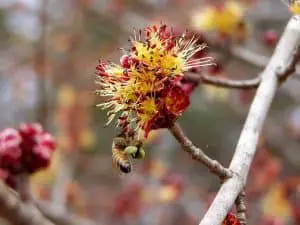
In the Southeast, Maple trees provide crucial early pollen. Red Maple pollen is gray-brown, Norway Maple is olive, and Box Elder Maple is a light olive color. Contact your local club to find what is most favorable in your area.
Bee-Attracting Flowers
Spring Bloom
- Willow, Skunk Cabbage, Maples
- Eastern Redbud, Henbit, Apple
- Cherry, Blueberry, Clover
- Tulip Poplar, Russian Olive
Summer & Autumn
- Sweet Clovers, Linden, Holly
- Sourwood, Buckwheat, Milkweed
- Sunflower, Thistle, Goldenrod
- Japanese Knotweed, Asters