Why Goldenrod Matters
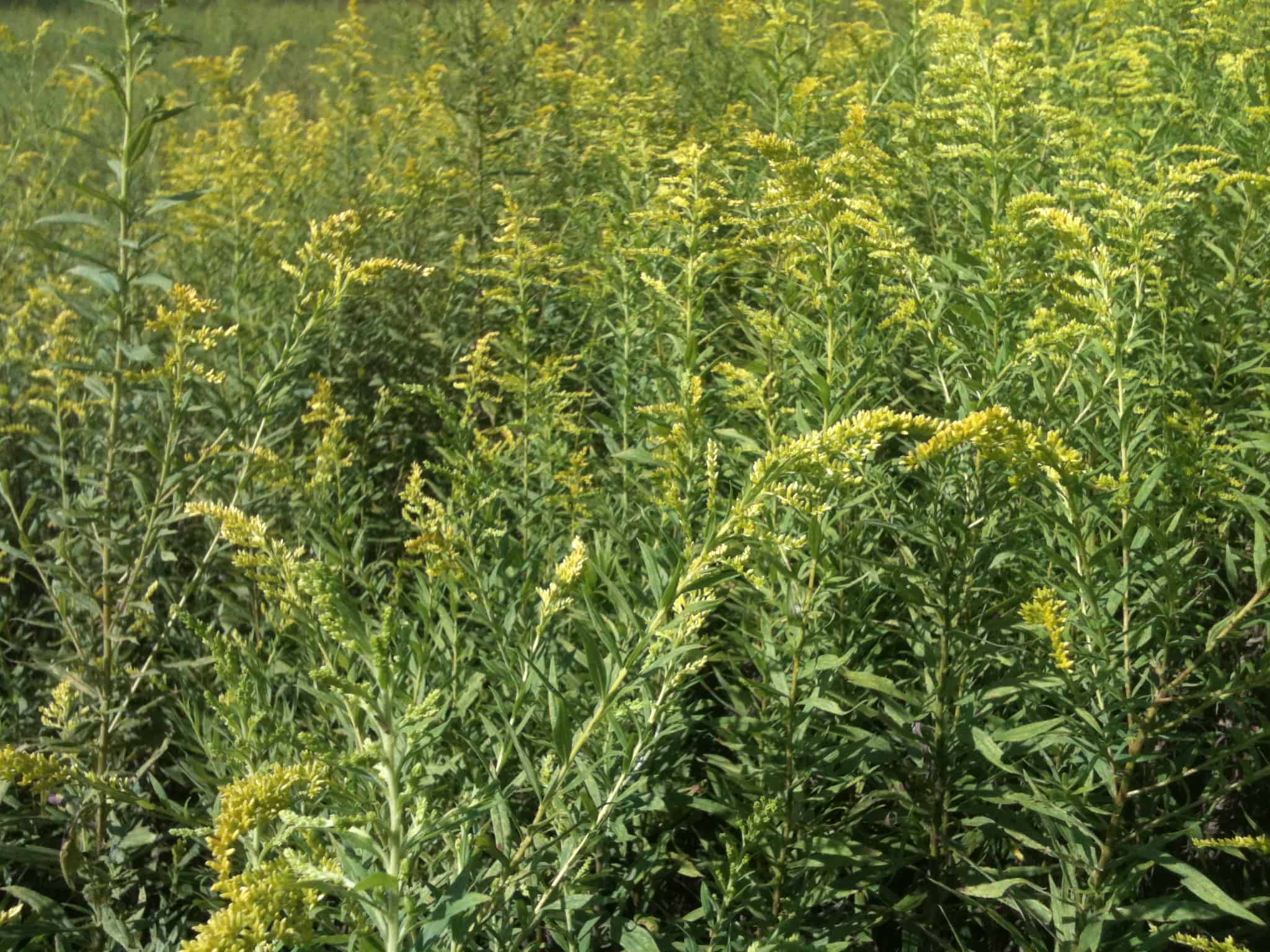
In the South, Goldenrod is effectively the last true nectar and pollen source for your bees for the season.
Goldenrod tends to mature at different stages; in our area, we can expect a 4-to-6-week maturity cycle. While Goldenrod isn't exactly a marketable honey for the masses—it often has a sharp, bitter smell—it is an absolute treasure for the bees.
The honey produced will change the scent within your hive almost immediately, and that distinct aroma will remain until the stores are consumed in early spring. It doesn't smell "sweet" like a traditional spring flow, but its functional value is unmatched.
01. Winter Brood
The nectar flow stimulates the queen to produce more brood. A higher brood count ensures the colony goes into winter with enough healthy bees to keep the hive warm through the cold months.
02. Essential Stores
This nectar is quickly turned into capped honey, significantly increasing the stores necessary to feed the hive throughout the winter. Without it, survival rates drop.
Pollen is just as vital! Goldenrod pollen is consumed during the fall and winter months to sustain the bees' overall health. We have Goldenrod in and around our bee yards and we attribute much of our success to these fields. It may be considered a "weed" by some, but for beekeepers, it is a critical food source.
Are you seeing Goldenrod in your fields yet?
Join the Discussion on Facebook