Winterizing the Hive
Southeastern Region Guide
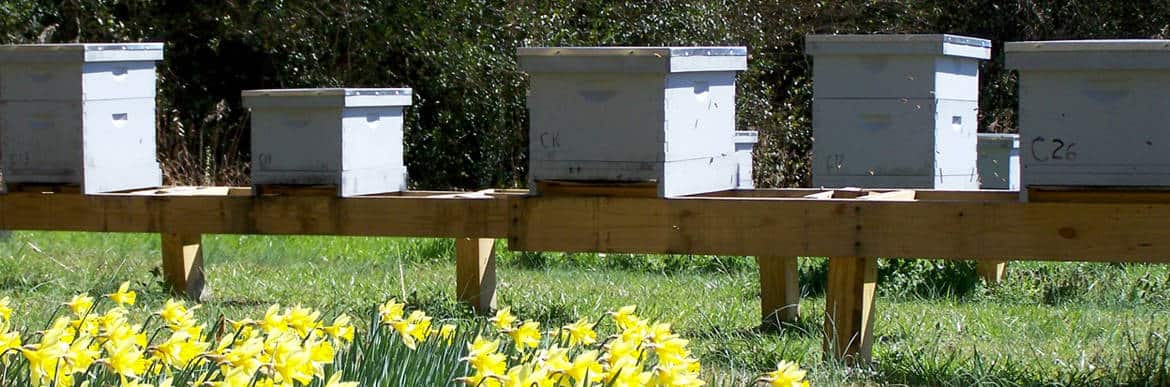
Winter can be tough on a colony, and the first winter for a new hive is extremely important. It is time to manage your hard-earned investment to ensure a successful Spring.
Preparation should begin in mid-Fall. Start by identifying any cracks or gaps in the hive body. While bees usually seal these with propolis, you should manually repair any they missed. If an older hive body shows signs of rot or mold, it should be discarded; structural integrity is vital for heat retention.
Ensure all entrance reducers are set to the one-inch opening once temperatures drop below 30 degrees. This helps the hive conserve heat—just as bees in the wild prefer small openings in tree trunks. Additionally, if your inner cover has a ventilation notch, slide the top cover toward the rear until it touches the front to reduce airflow while still allowing necessary ventilation.
Critical Maintenance: Jan & Feb
January and February are high-risk months. Bees may have already exhausted their honey reserves. On warmer days, perform a three-minute inspection to check the supers. If reserves are low, begin feeding sugar water (ratios of 2:1 or 1:1 depending on the timing).
"I lost my bees this winter and there was no honey left"—This is the most common story of starvation. Avoid this by checking reserves monthly.
On average, a colony needs nearly 60 pounds of honey to survive the winter. However, even 60 pounds is no guarantee if the colony size is large. Beyond checking food, ensure your hive has a slight angle from rear to front. I recommend a 1/4 inch shim at the rear to allow natural drainage of any moisture or sugar water out the front entrance.